
5 Easy-Looking Clothing Alterations That Are Trickier Than They Seem
From the outside, some clothing alterations look like a “quick fix.” But in the tailoring world, there’s often more going on beneath the fabric than meets the eye. If you’ve ever wondered why certain jobs cost more or take longer, here are five “easy-looking” alterations that actually require skill, time, and patience.
1. Shortening Sleeves on a Jacket with Working Buttonholes
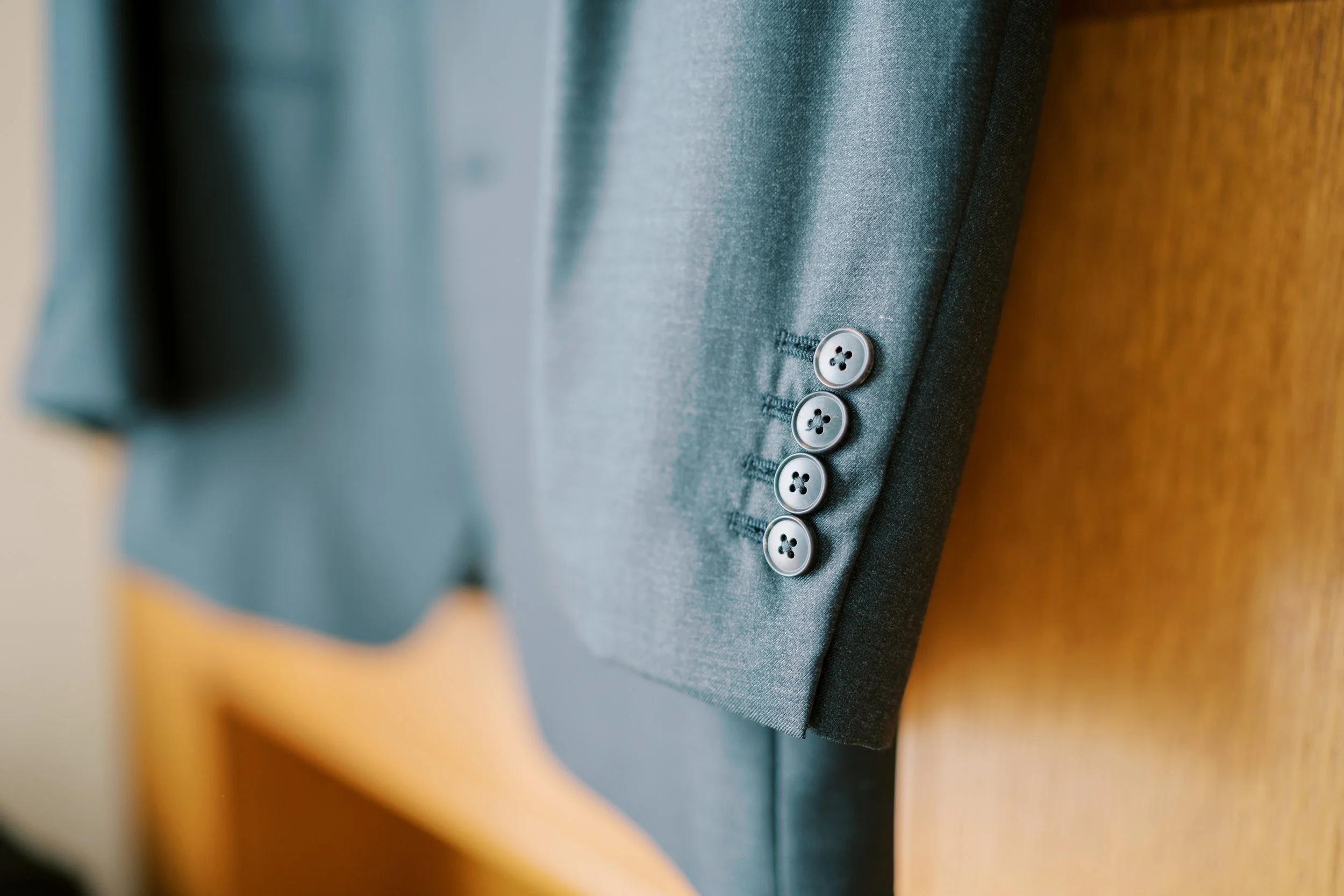
At first glance, you might think: “Just chop off a few centimetres.” But when a blazer has functional buttons on the cuff, shortening from the cuff end would destroy that detail. The tailor has to remove the sleeve from the shoulder, adjust it there, and then rebuild the sleeve cap so it sits correctly—an advanced job that can take hours.
2. Taking In a Lined Dress or Skirt
It’s one thing to sew up the outer fabric, but when there’s a lining, every adjustment needs to be mirrored perfectly inside. That means disassembling the lining, resizing it, and reattaching it so it hangs smoothly—without pulling or puckering.
3. Replacing a Zipper in a Winter Coat
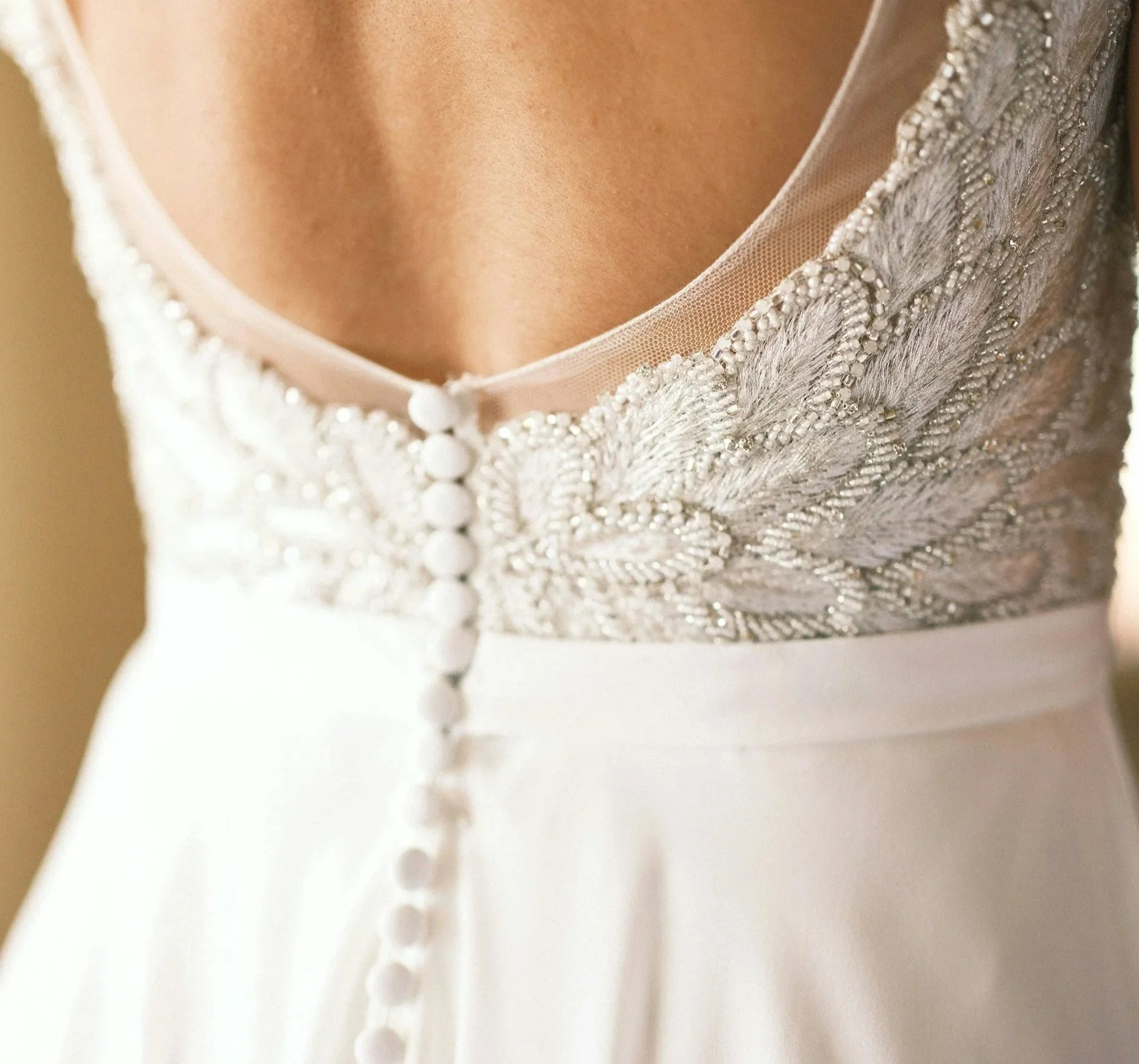
You might imagine just swapping one zipper for another. In reality, a heavy coat often has thick layers, interfacing, and sometimes hidden stitching. Replacing the zipper means carefully removing multiple seams and reassembling without distorting the shape or padding.

4. Adjusting Side Seams on Knitwear or Stretch Fabrics
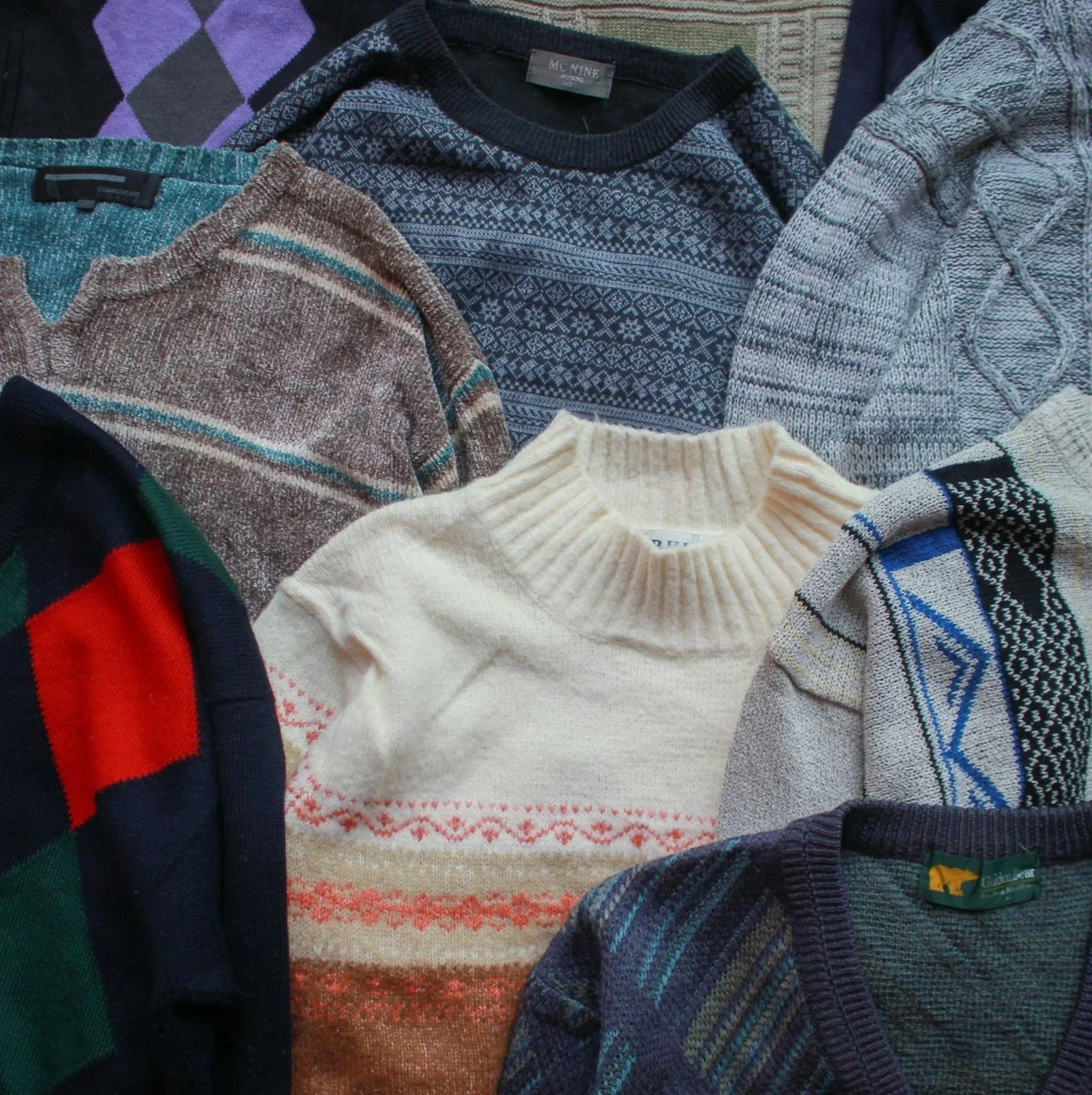
People think it’s just “taking it in,” but stretchy fabrics behave unpredictably. You need special needles, stretch-compatible stitches, and careful handling to avoid wavy seams or puckering. Plus, maintaining the garment’s original drape is harder than with woven fabrics.
5. Altering a Patterned garment
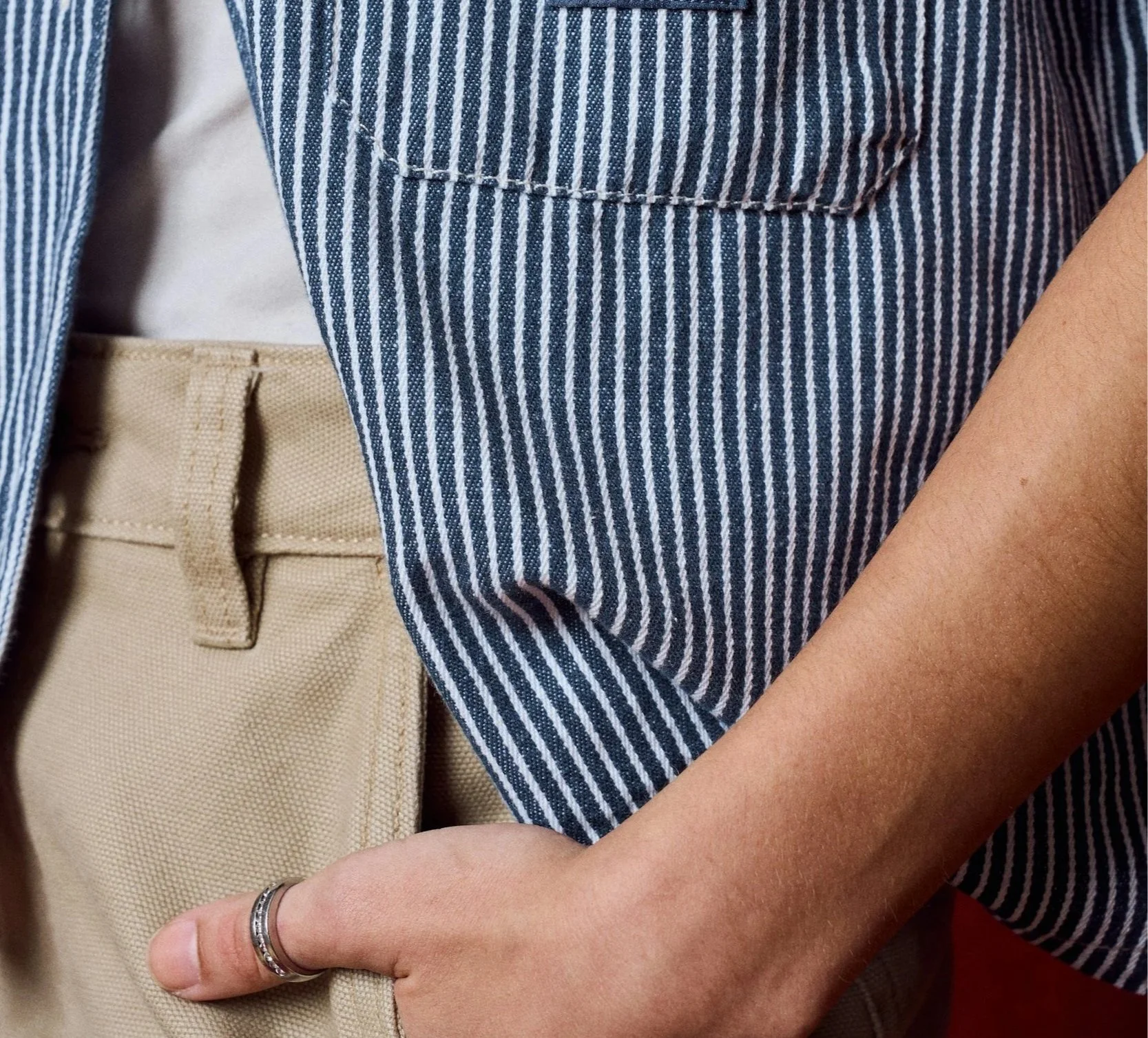
When a shirt, dress, or jacket has stripes, plaids, or any repeating print, every seam has to match perfectly after the alteration—just like in the original construction. This often means re-cutting panels, adjusting multiple seams, and sometimes sacrificing extra fabric to keep the pattern aligned. Even taking in a few centimetres can turn into a puzzle that tests a tailor’s patience and precision.
The Takeaway:
In tailoring, “simple” often hides the most complex work. When in doubt, it’s worth asking your tailor why an alteration is more involved. It’s usually because they’re ensuring your garment keeps its original shape, finish, and integrity.
