
The Secret Life of Interfacing: The Hidden Layer That Shapes Your Clothes
When you put on a crisp blazer, a perfectly structured collar, or a skirt that hangs just right, you probably don’t think about the invisible material inside that makes it possible. That hidden hero is interfacing—and it’s one of the most overlooked yet vital elements in tailoring.
What Is Interfacing?
Interfacing is a layer of material sewn or fused between the outer fabric and the lining. It gives garments structure, stability, and shape. Without it, your blazer lapels would flop, shirt collars would wrinkle, and waistbands would twist out of shape.
Two Main Types – and Why They Matter
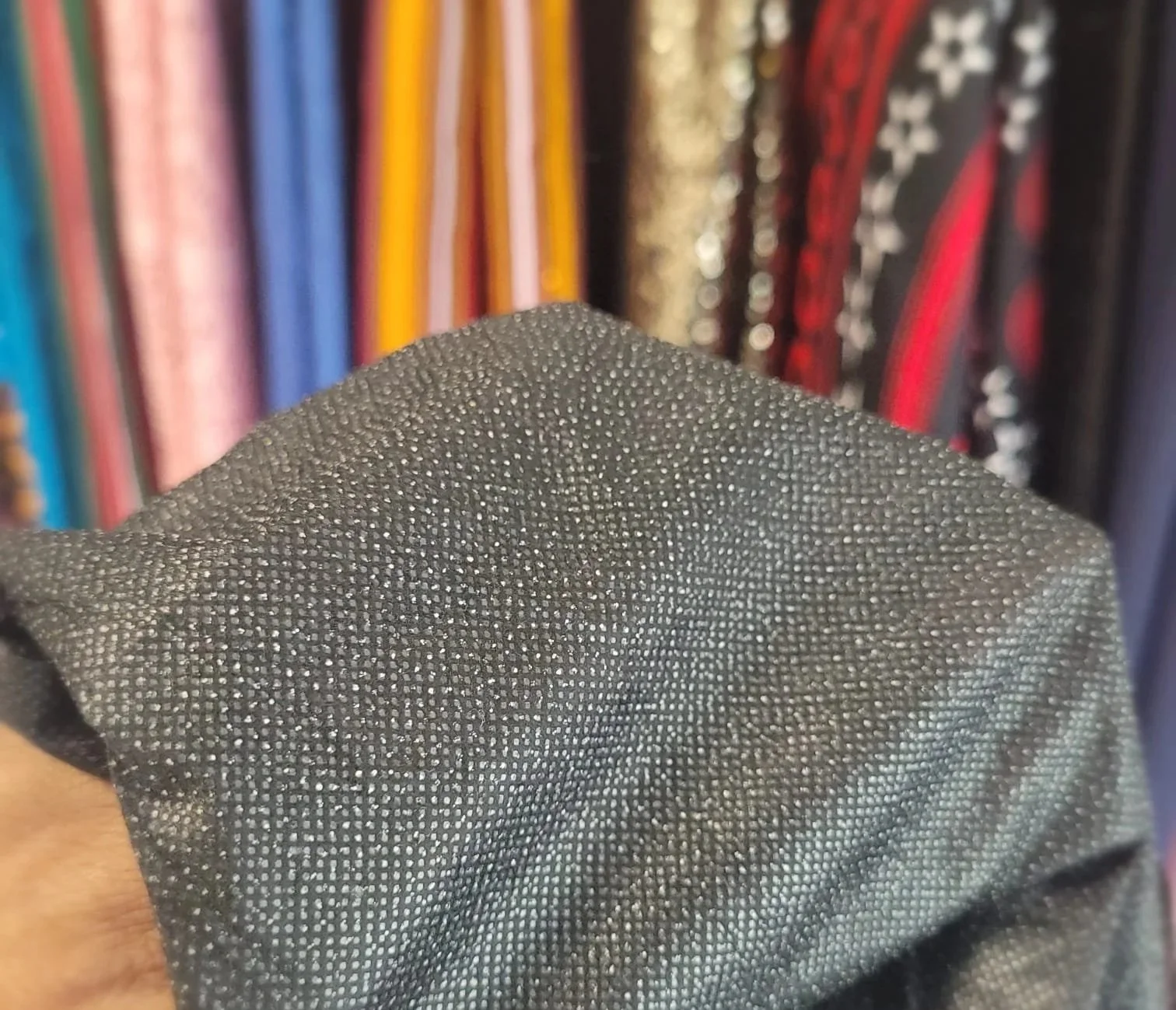
Fusible Interfacing – A modern favourite, it bonds to the fabric with heat. It’s fast and efficient but must be carefully matched to the fabric’s weight and texture to avoid bubbling or stiffness.
Sew-In Interfacing – The traditional choice for fine tailoring. It’s hand-stitched or machine-sewn into place, allowing more control over the garment’s drape. High-end suits and coats often use this method for a softer, more natural look.
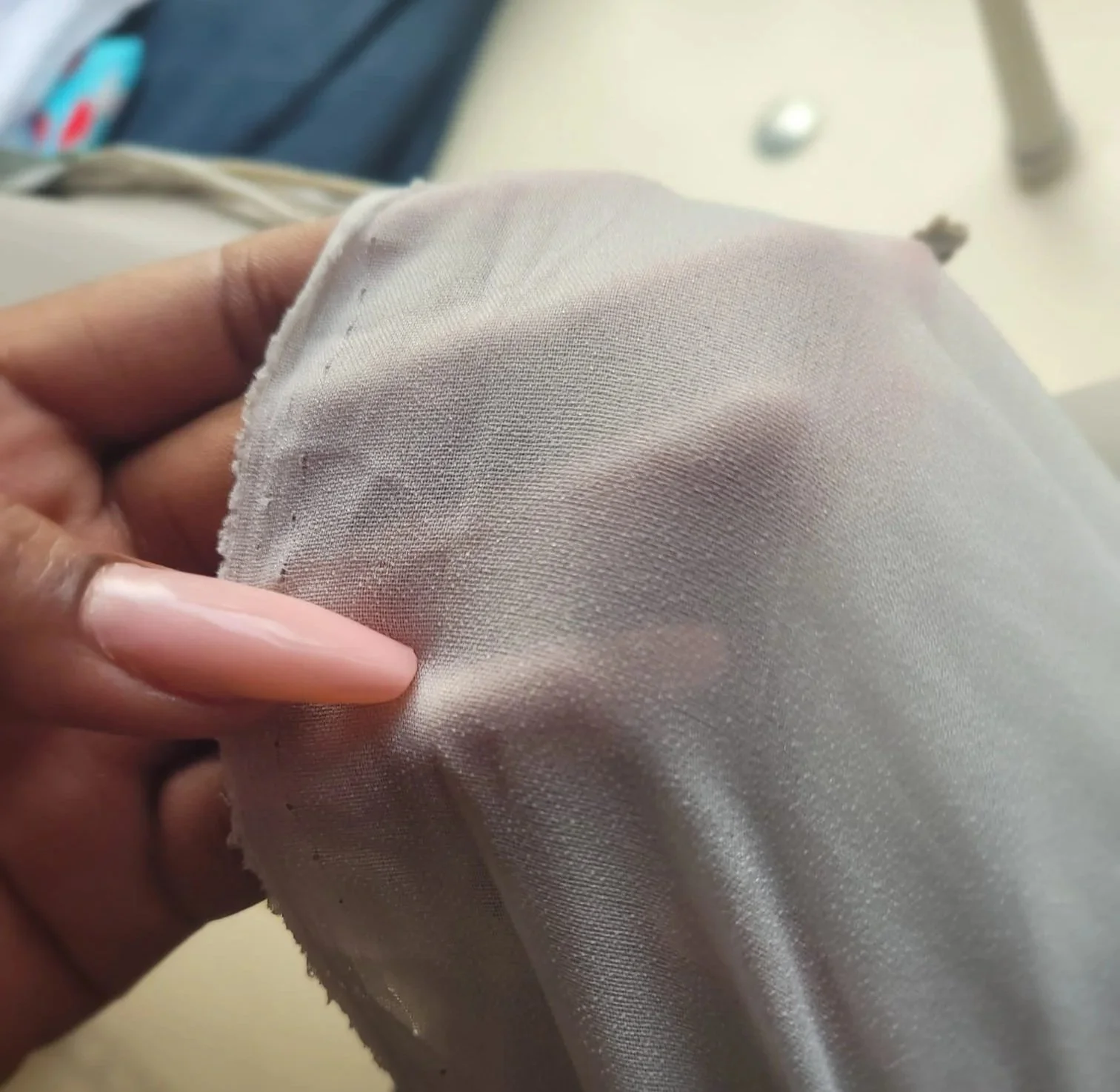
Silk fusible interface
Why Tailors Obsess Over It
Choosing the wrong interfacing can ruin an otherwise beautiful garment. Too stiff, and the piece feels uncomfortable; too soft, and it loses shape. A professional tailor considers:
Fabric weight and weave
Garment purpose (formal wear, workwear, casual)
Desired drape and longevity
Climate (fusibles can fail in high humidity or with repeated hot washing)

Interfacing in Alterations – The Hidden Challenge
Here’s the tricky part: when altering a structured garment, the interfacing must also be reshaped or replaced. This can mean opening up layers of construction that the customer never sees, adding time and cost to the alteration.
For example:
Reshaping blazer shoulders – Requires carefully peeling back fabric and interfacing, adjusting, and reattaching without visible distortion.
Changing collar shapes – Involves completely rebuilding the interfaced sections.
The Takeaway
Interfacing is the quiet backbone of your clothes. The next time you put on a jacket that makes you feel unstoppable, remember—it’s not just the outer fabric working hard for you. There’s a hidden layer in there doing its job perfectly, thanks to the skill of a tailor who knew exactly what to choose
